Common Greek Phrases for a More Thoughtful Mykonos Stay
Mykonos is easy to enjoy in English, yet a few common Greek phrases can make the island feel more personal. With Isle Blue, travelers can pair luxury villas with private dining, sailing days, local food experiences, and thoughtful cultural moments across the Mykonos villa collection. Therefore, this guide focuses on simple Greek words that suit real luxury travel situations, not formal language lessons. Instead of trying to speak fluently, guests can use a few respectful phrases to make arrivals, meals, and local encounters feel warmer.
Why Common Greek Phrases Matter in Mykonos
Although Mykonos welcomes international travelers every season, Greek still carries the island’s daily rhythm. Because of that, a short greeting or sincere thank you can make a small exchange feel more gracious. As the official Greek tourism site notes, Mykonos sits in the heart of the Cyclades and is known as a cosmopolitan luxury holiday destination shaped by Aegean island life.
For high-end travelers, this detail matters. A private villa creates space and comfort, while local awareness adds depth. Moreover, luxury travel feels richer when guests understand the culture around them.
That is where common Greek phrases help. They do not replace English, and they should not feel forced. However, they give travelers a simple way to show respect in restaurants, beach clubs, local shops, sailing experiences, and villa arrivals.
Start with the words you will actually use. Yassas means polite hello. Kalimera means good morning. Efharisto means thank you. These phrases work because they are brief, useful, and easy to place naturally.
Basic Greek Phrases That Feel Natural
The best basic Greek phrases are the ones travelers can use without slowing the conversation. Therefore, begin with polite words that fit almost any setting.
Yassas means polite hello.
Yassou means casual hello.
Kalimera means good morning.
Kalispera means good evening.
Efharisto means thank you.
Parakalo means please or you’re welcome.
Signomi means excuse me or sorry.
These words work well because they leave room for English. For example, you can greet a villa host with “Yassas,” then continue the conversation naturally. Likewise, you can say “Efharisto” after a driver helps with bags or after a restaurant team arranges a table.
As a result, the language becomes a gesture, not a performance. That distinction matters in Mykonos, where polished service and local hospitality often meet in the same moment.
Greek Travel Phrases for Dining and Beach Clubs
Dining in Mykonos often shapes the day. A long lunch can turn into sunset drinks, while a beach club afternoon can lead into dinner by the water. Therefore, a few Greek travel phrases can make these moments feel more connected to place.
You do not need to order an entire meal in Greek. Instead, focus on simple words you may hear or use.
Nero means water.
Krasi means wine.
Psomi means bread.
Tyri means cheese.
Nostimo means delicious.
Logariasmo means bill.
After a memorable meal, Itan nostimo means it was delicious. It is short, useful, and appreciated. Additionally, it sounds more thoughtful than relying only on English.
In Mykonos, many restaurants and beach clubs serve international guests daily. Still, a simple “Efharisto” or “Itan nostimo” can soften the exchange. Consequently, the experience feels less transactional and more personal.
For travelers planning luxury retreats, dining is rarely just a meal. It becomes part of the island’s rhythm, especially when paired with sea views, local ingredients, and relaxed Cycladic hospitality.
Greek Words and Phrases for Local Food Experiences
Food makes language easier to remember because it gives each word a setting. Therefore, local cooking experiences can make Greek words and phrases feel more natural.
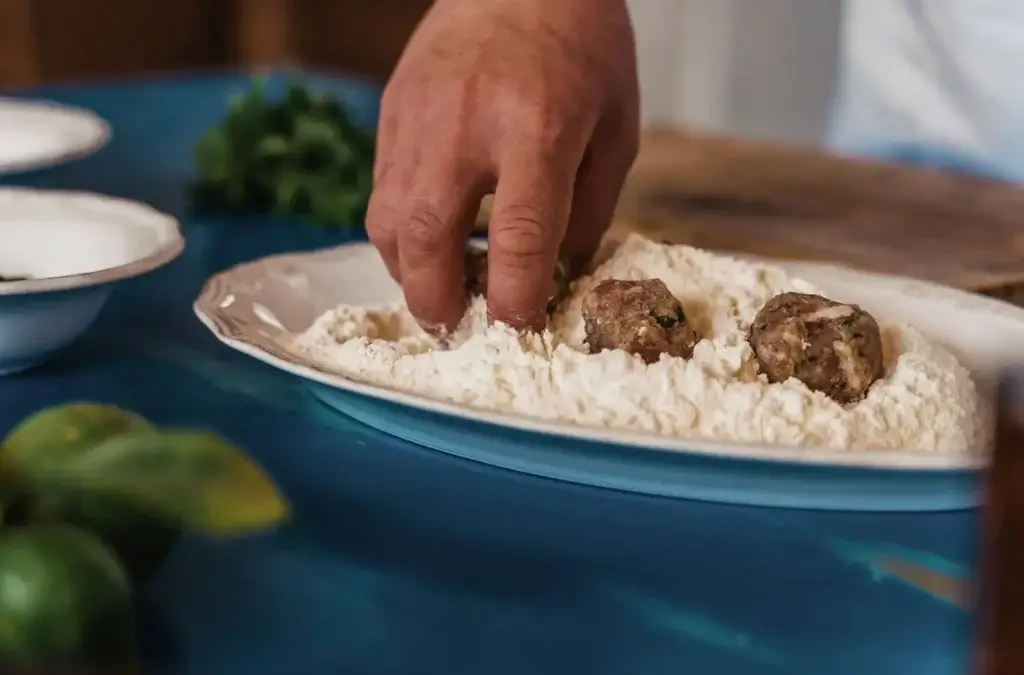
At the Mykonos Rizes Cooking Workshop, guests can step away from the beach club pace and connect with a more traditional side of the island. The experience includes a guided farmstead tour, fresh ingredient gathering, and meal preparation in an open-air kitchen. Afterward, guests enjoy the prepared lunch or dinner with local wine and tsipouro.
In that setting, food words feel useful in the moment. Ladi means olive oil. Fagito means food or meal. Topiko means local. Also, Ti einai afto? means what is this?
That question works beautifully during a cooking experience. It invites conversation without requiring advanced Greek. Meanwhile, Efharisto gia to fagito means thank you for the meal.
This is where cultural travel feels most natural. Rather than memorizing a long list, guests connect words to taste, setting, and hospitality.
Common Greek Phrases for the Sea and Sailing Days
Mykonos is shaped by the sea as much as by its beach clubs. Therefore, a few sea-related words can help travelers describe the island’s quieter beauty.
Thalassa means sea.
Paralia means beach.
Nisi means island.
Omorfi thea means beautiful view.
Yperoha means wonderful.
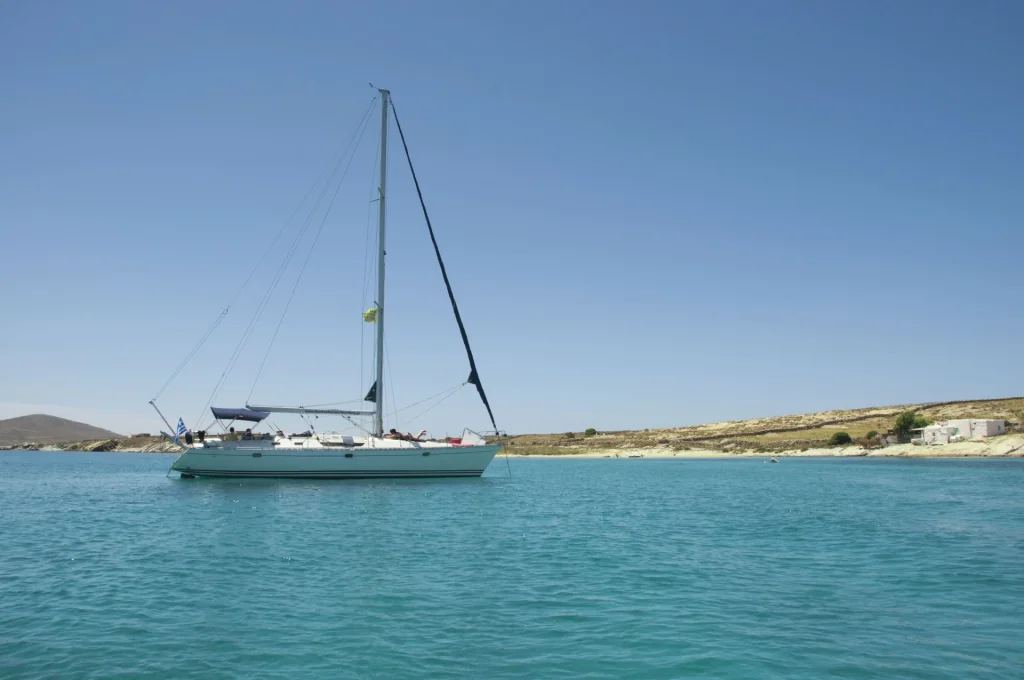
These words fit naturally during a private sailing day. The Mykonos Private Sailing Yacht Cruise can follow the southern coastline or head toward Rhenia Island. Depending on the chosen route and weather, guests can enjoy swimming stops, Aegean views, and a Greek brunch or lunch served onboard.
Because Mykonos is shaped by the Meltemi winds, sailing routes remain flexible. As a result, words like thalassa, nisi, and omorfi thea connect directly to the experience.
Although Mykonos is famous for beach clubs and nightlife, sailing reveals a calmer and more private side of the island. Therefore, these common Greek phrases help travelers name the moments that often become the most memorable.
Mykonos Travel Tips for Villa and Concierge Moments
A private villa gives Mykonos a different pace. Guests can enjoy the island’s restaurants, beaches, and sailing days, then return to a quieter base. However, practical moments still matter during arrivals, planning, and local movement.
A few simple words can help. Pou einai…? means where is…? Voitheia means help. Milate Anglika? means do you speak English?
Still, travelers should not feel they need to manage every detail themselves. Isle Blue’s expert concierge team can assist with private chefs, dining, boat days, wellness, transportation, and tailored Mykonos experiences. Therefore, guests can enjoy a cultural connection while keeping the trip smooth.
For added ease, Isle Blue’s Mobile App helps guests keep important trip details and support close during their stay.
Luxury vacation rentals in Mykonos work well for travelers who want privacy and access in equal measure. Travelers comparing the wider region can explore Isle Blue’s Greek island escapes for luxury travelers for more inspiration across the Cyclades and beyond.
Villa White House in Elia
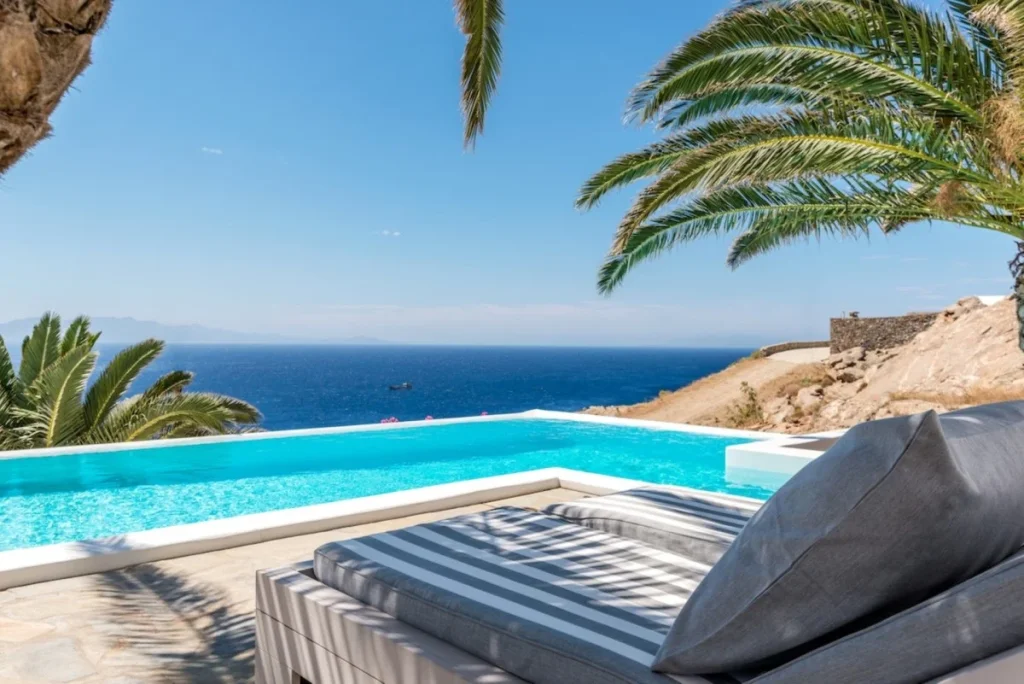
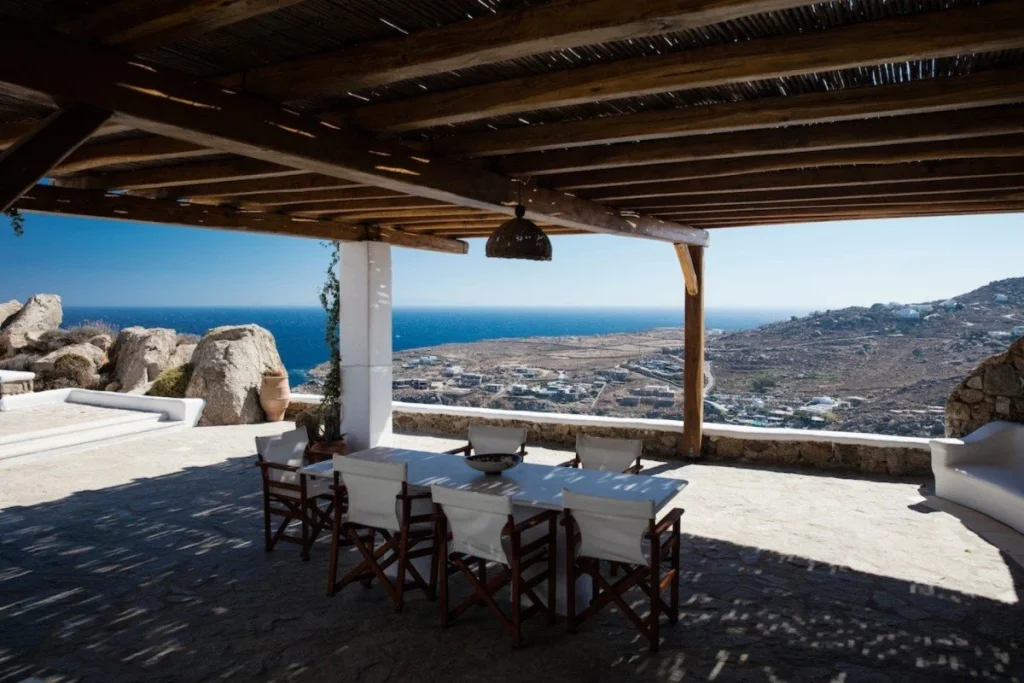
Villa White House in Elia offers a quieter, more refined side of Mykonos. Set above Elia Beach, this luxury villa in Mykonos with private infinity pool pairs panoramic Aegean views with wide terraces and soft contemporary design. It suits travelers who want privacy, sea views, and easy access to one of the island’s most polished beach settings.
Villa Paradiso in Super Paradise
Villa Paradiso in Elia offers a quieter, more refined side of Mykonos. Set above Elia Beach, this luxury villa in Mykonos with private infinity pool pairs panoramic Aegean views with wide terraces and soft contemporary design. It suits travelers who want privacy, calm outdoor living, and easy access to one of the island’s most polished beach settings.
For returning guests, the New Isle Blue Rewards Program can add value to future villa travel without changing the relaxed rhythm of the stay.
How to Use Greek Phrases Respectfully in Mykonos
The best Mykonos travel tips are often simple. Use Greek at the start or end of an exchange, then continue in English when needed. This keeps the tone natural.
Start with “Yassas” when you arrive. Say “Efharisto” when someone helps. Use “Parakalo” when asking politely. Also, avoid slang unless you fully understand it.
This approach respects the language without turning it into a performance. Moreover, it suits the way many high-end travelers move through Mykonos: with ease, awareness, and appreciation.
Short phrases work better than long memorized sentences. Perfect pronunciation matters less than sincerity. Therefore, the goal is not fluency. The goal is confidence, courtesy, and a better sense of place.
Common Greek Phrases Add Grace to a Mykonos Stay
Learning common Greek phrases will not make travelers fluent before arriving in Mykonos. However, it can make the stay feel warmer, smoother, and more connected to the island.
A quiet “Kalimera” in the morning can begin the day well. A sincere “Efharisto” after dinner can leave a better impression. Likewise, a simple “Yassas” during arrival can set a respectful tone.
Ultimately, Mykonos is more than beaches, villas, and nightlife. It is also food, sea, hospitality, and local rhythm. With a few common Greek phrases, travelers can experience that side of the island with more confidence and grace.
With support from Isle Blue villa specialist Philip Koltes, travelers can pair the right Mykonos villa with sailing days, local food experiences, private dining, and a stay shaped around both privacy and place.